Projects
Practical engineering and software projects spanning tele-robotic healthcare, autonomous UAV design, embedded systems, and AI-assisted development workflows.
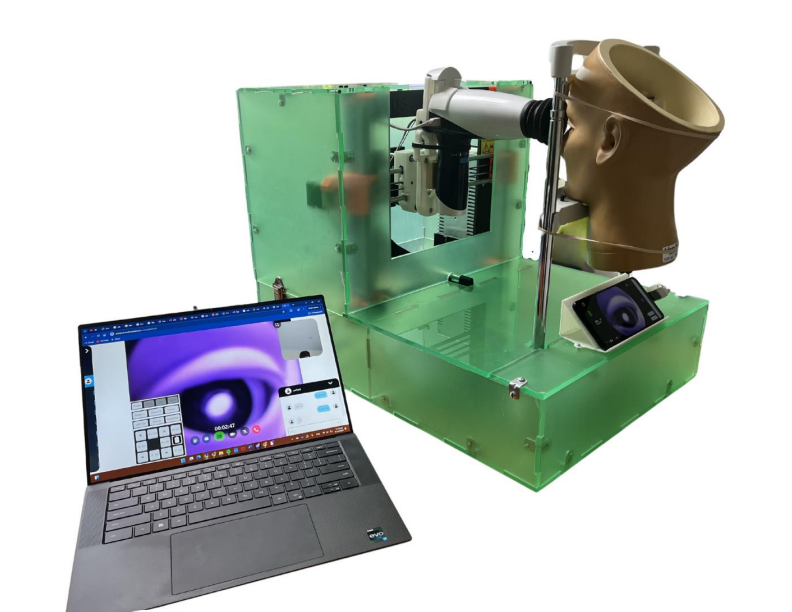
University of Auckland final-year project
Tele-Robotic Ophthalmology System
For my final-year Mechatronics Engineering project at the University of Auckland, I developed a tele-robotic ophthalmology system that enables specialists to remotely perform real-time eye examinations for patients in rural and underserved communities. The system combines robotics, embedded software, and telemedicine to improve access to specialist eye care.
Working alongside oDocs Eye Care, I designed the robotic gantry, developed the Raspberry Pi control software, integrated the system with a commercial telemedicine platform, and implemented safety features for reliable clinical operation. The project also included pilot study planning and commercialisation through VistaVision, a startup focused on expanding access to remote ophthalmology services.
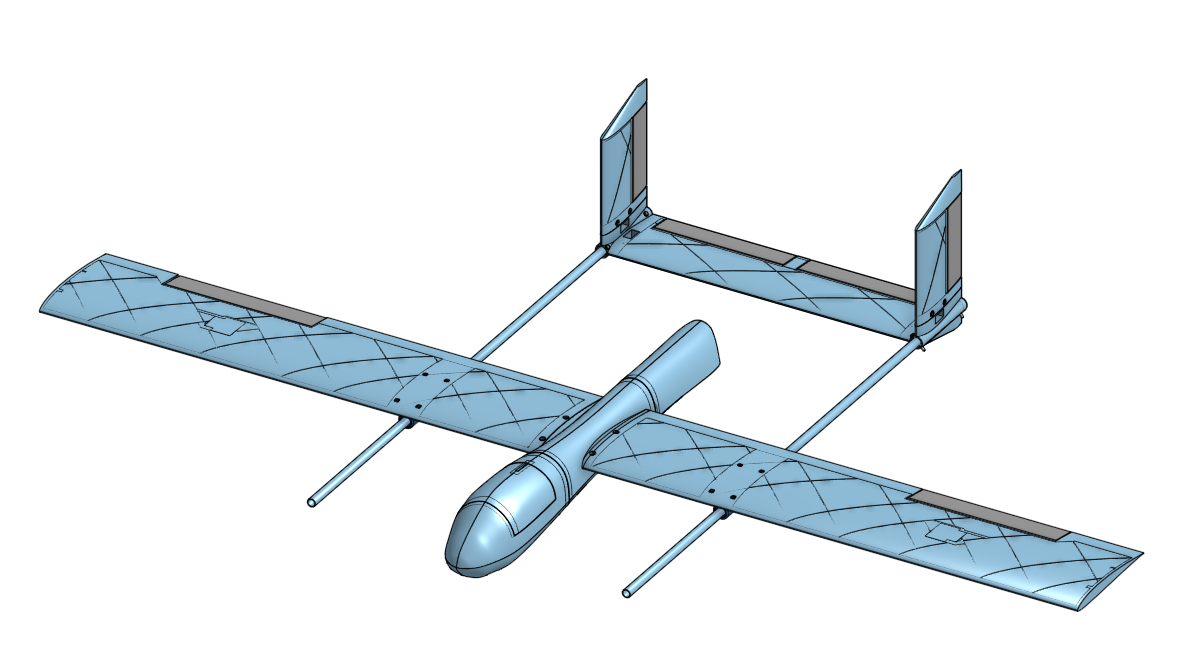
Autonomous surveying aircraft project
Survey Fixed-Wing VTOL UAV Design
This is my current aerospace engineering project, where I am designing a twin-boom fixed-wing VTOL (Vertical Take-Off and Landing) UAV architecture for autonomous surveying and photogrammetry missions. The project follows a complete aircraft engineering design process, from defining mission, payload, endurance, and operating requirements through to conceptual sizing, aerodynamic analysis, weight estimation, constraint analysis, and performance modelling.
I have modelled the aircraft in Onshape and developed a custom Python performance analysis tool that allows rapid evaluation of different design concepts. By entering parameters such as aircraft geometry, mass, propulsion, battery characteristics, and mission profile, the software calculates drag polars, lift and drag forces, lift-to-drag ratio, required motor power, battery capacity, endurance, and overall aircraft performance for different flight phases and mission sequences. This enables rapid optimisation of the UAV design before prototype manufacture and testing.
The design is being developed around an ArduPilot-based autonomous flight-control architecture, including mission modes, VTOL-to-fixed-wing transition considerations, and trade studies across propulsion, airframe, payload, endurance, and operating constraints.


Personal AI and automation system
AI Automation & Development Platform
Developed a Raspberry Pi-based AI automation and development platform using OpenClaw, controlled remotely through a private Discord server. The agent supports everyday tasks and software development, including creating a monthly spending dashboard and helping build this portfolio website.
Implemented custom hooks and reusable skills to connect the agent with different tools and workflows. The system accelerates project development, improves productivity, and reduces development time across engineering projects, and is being expanded into a multi-agent pipeline for planning, development, testing, and deployment.



Medical device communication protocol
Kato Protocol Implementation
Helped implement the Kato communication protocol on Fisher & Paykel Healthcare devices, using Zephyr's CoAP stack to support structured communication between embedded medical devices and external clients. The work focused on turning the protocol model into practical device behaviour for capability discovery, device identification, settings, therapy data, connectivity configuration, and secure device operations.
Also helped develop the C# engineering application that allows internal tools to communicate with devices through the protocol. This application gives engineering teams a consistent way to inspect device information, interact with supported services, exercise protocol flows, and validate communication behaviour during development and testing.
The implementation included secure workflows for remotely updating device prescriptions and performing protected operations. Kato combines Protocol Buffers payloads, CoAP request/response messaging, transport security, signed claims, session establishment, and per-request bearer tokens so only authorised clients can perform sensitive actions.